
 Add Preferred Source
Creating the perfect loaf of sourdough requires careful attention to detail and practice of certain techniques. One key technique is the stretch and fold method.
This involves stretching the dough out and then folding it back onto itself multiple times during the fermentation process. Doing so develops the gluten structure, resulting in improved texture and an airy crumb.
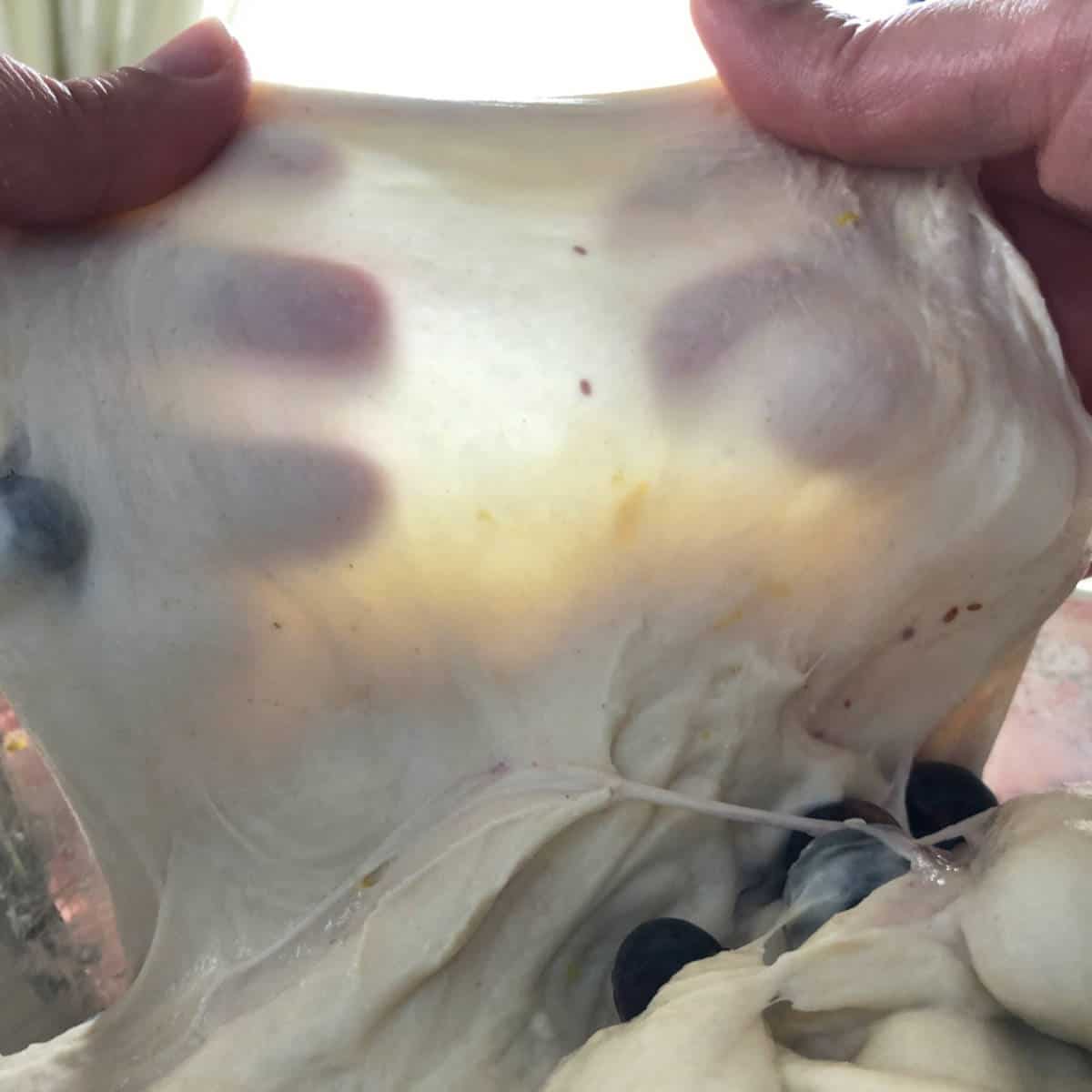
Stretch and fold of the dough are done during the bulk fermentation stage of the process. The exact timing for stretch and fold can vary depending on the recipe, temperature, and humidity in your kitchen.
Start 30 minutes to an hour after mixing, then repeat every 30 minutes based on dough strength and rise. Adjust frequency according to dough behavior; strong, responsive dough may require less, while weak or slack dough may need more frequent stretching and folding.
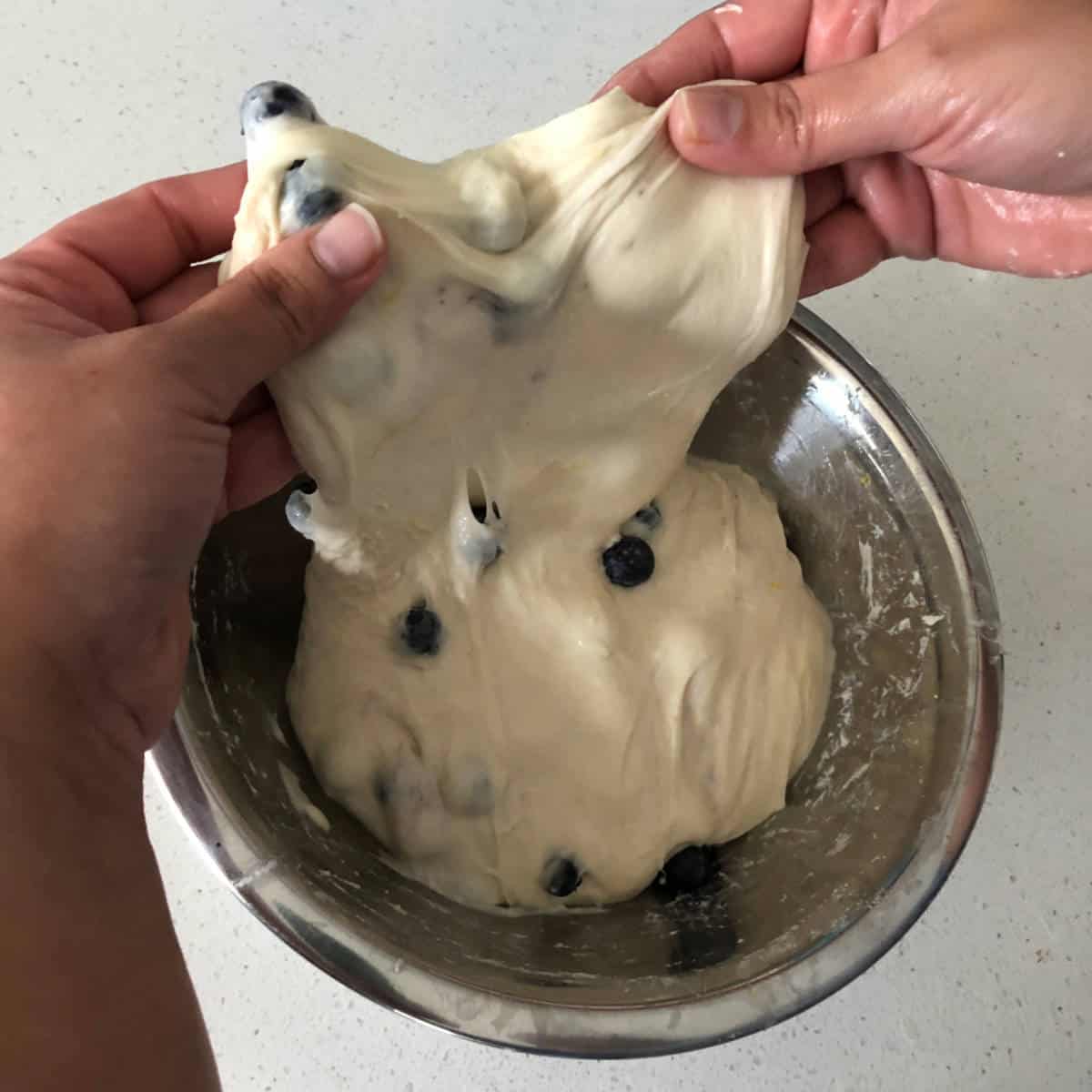
How to perform stretch and fold on sourdough?
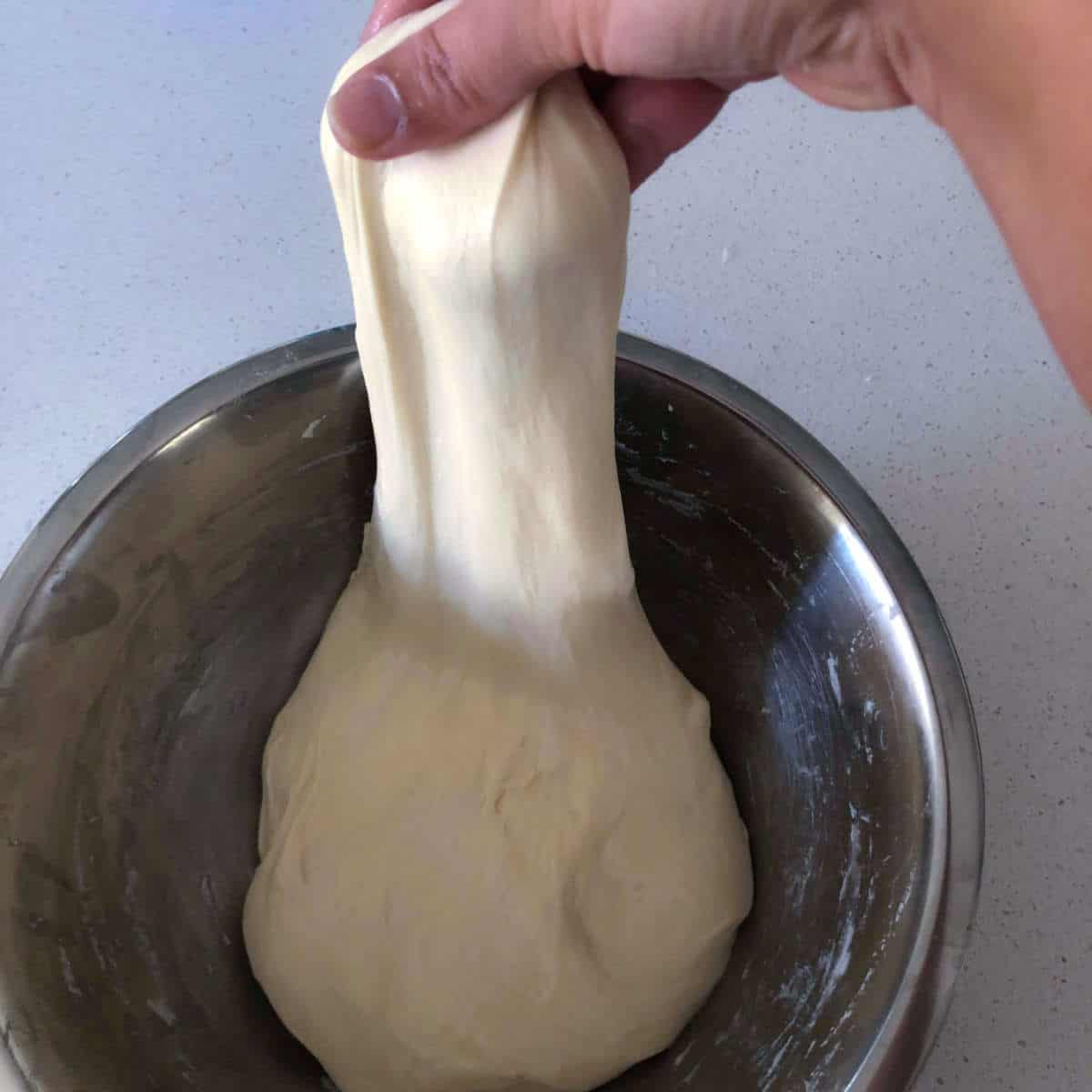
- Begin by wetting your hands with water to prevent the dough from sticking. Gently scoop the dough up and stretch it out as far as it will go without tearing.
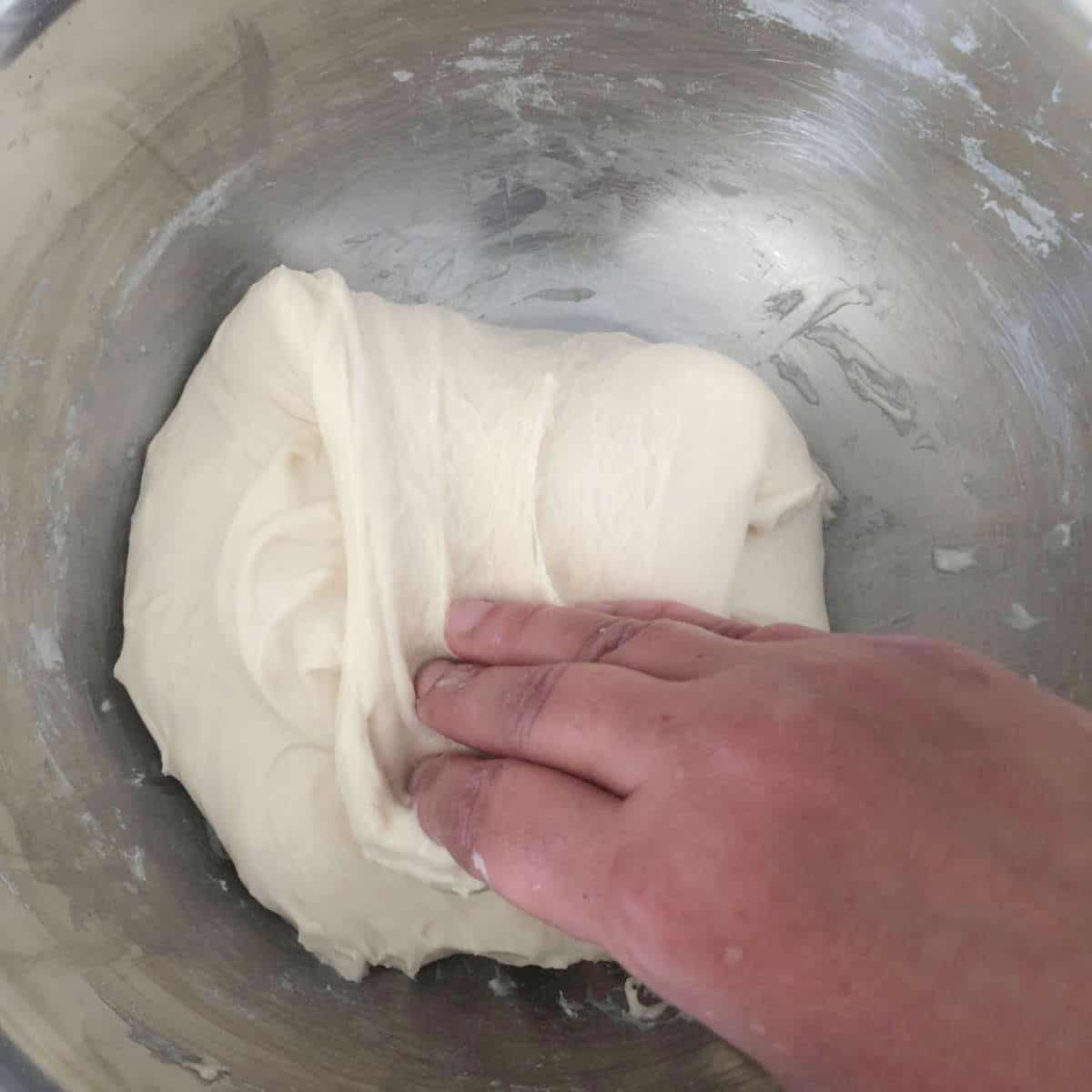
- Fold the dough in half over itself and place it back in the bowl. Repeat this process three to four times, rotating the bowl a quarter turn each time so that you stretch and fold all sides of the dough.
- Cover the bowl with a clean tea towel and let the dough rest.
- Repeat the stretch and fold process every 30 minutes to an hour, depending on the strength of your dough.
- Once your dough has been stretched and folded several times, it is ready to be shaped and baked according to your recipe.
Expert Tips
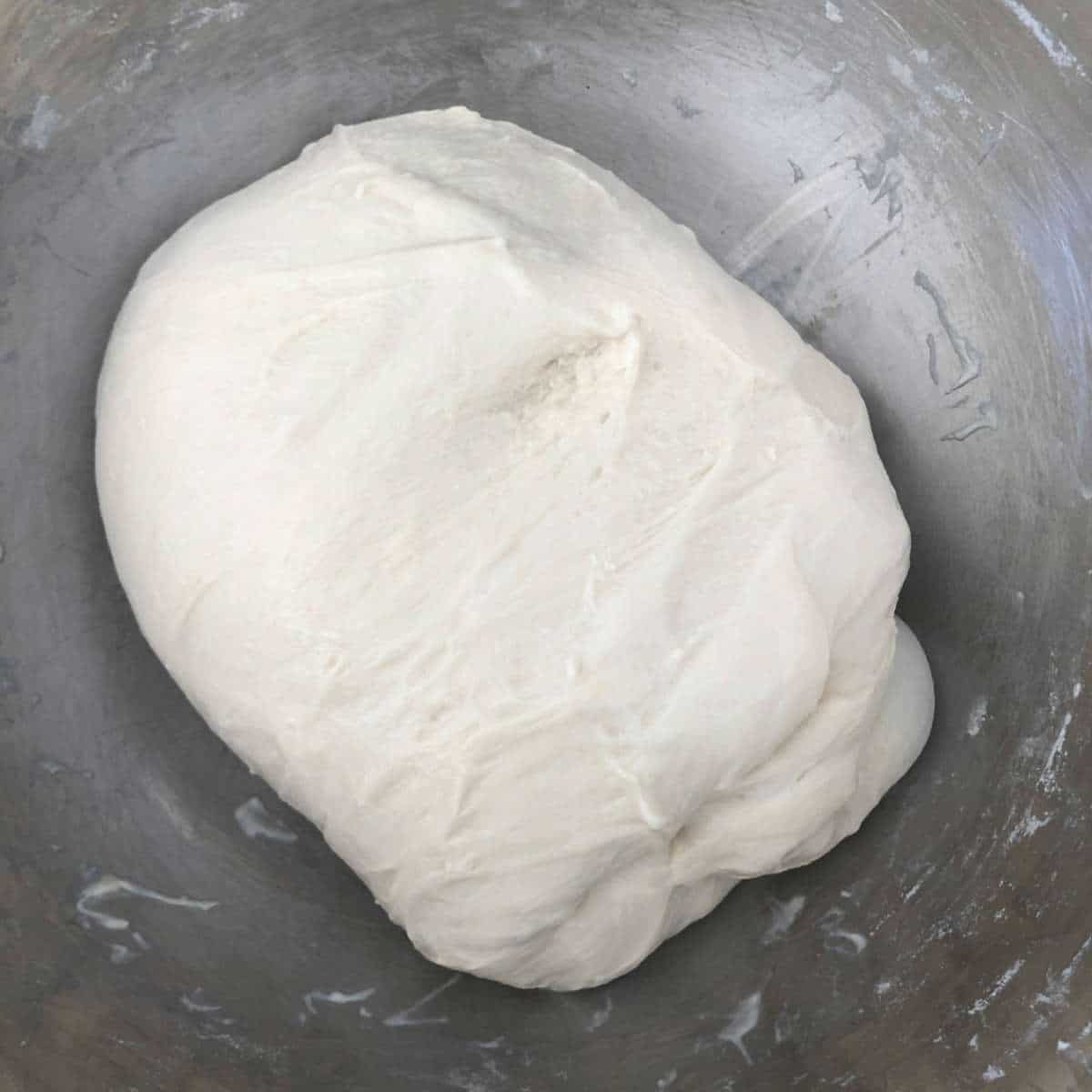
Choose a bowl that is large enough to allow the dough to rise and spread out during the bulk fermentation stage. Alternatively, transfer the dough onto a benchtop and perform stretch and fold.
Wet hands and a wet work surface will prevent the dough from sticking and tearing as it is stretched and folded. Handle the dough gently to avoid tearing it.
Over-fermentation can lead to a flat or dense loaf of bread. Keep an eye on the dough's rise during the bulk fermentation stage and adjust the timing of stretch and fold accordingly.
Common mistakes to avoid
During the stretch and fold process, overhandling the dough can cause it to lose its structure and become too dense. Be gentle and avoid pulling or stretching the dough too much.
Rest periods between folds are essential to allow the gluten structure to relax naturally and develop. Skipping these rests can result in a denser loaf.
Using flour when performing stretch and fold can make the dough stiff. Always use water. Wet your hands before you begin stretching the dough. We need the flour only when shaping the dough.
Folding the dough too tightly will prevent the dough from relaxing. Be gentle and avoid compressing the dough too much during the folding process.
Consistency is key when it comes to sourdough bread baking. Do not skip the stretch and fold technique, at least for the first 2-3 rounds.
Handling dough with add-ins
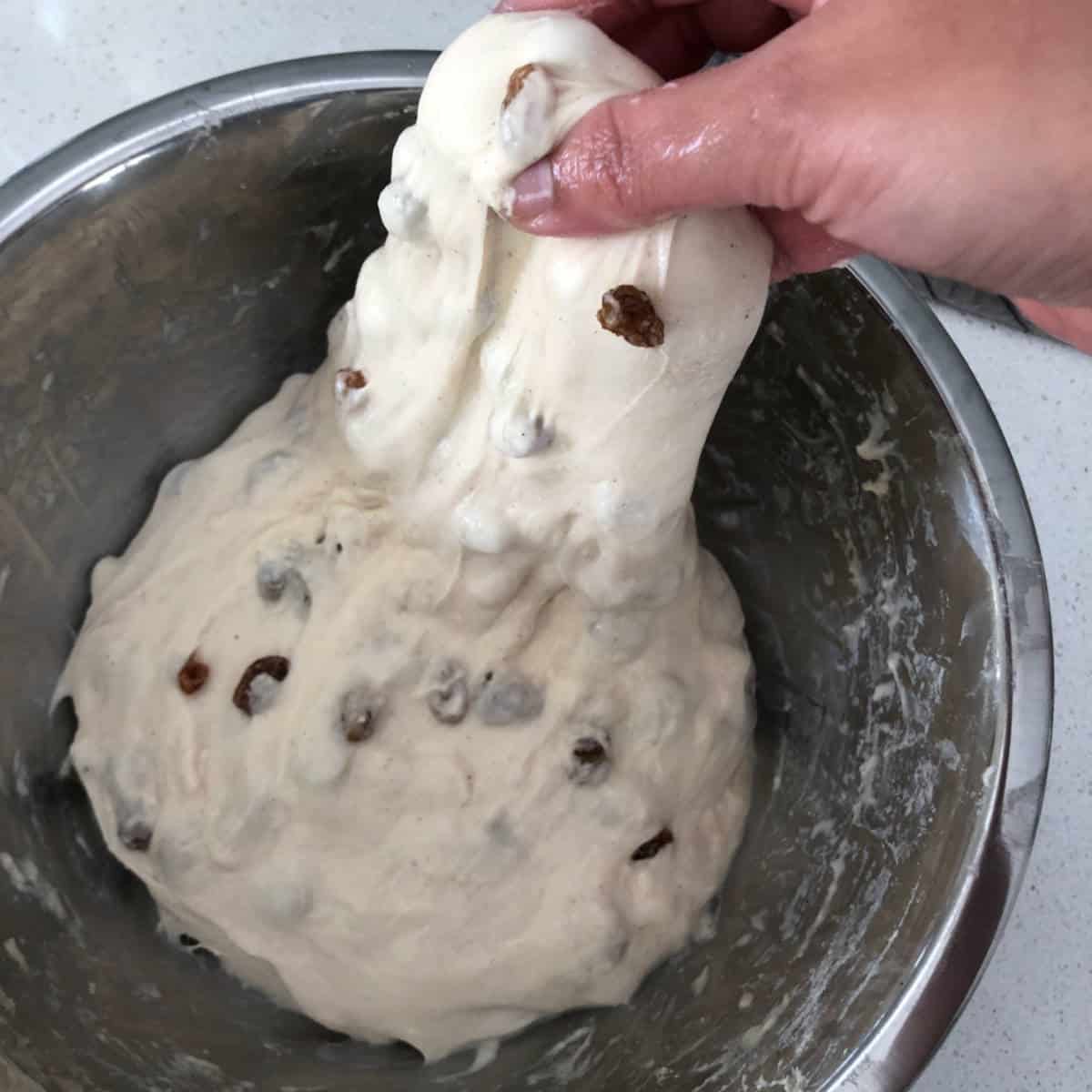
Performing stretch and fold with dough that has add-ins like berries, cheese, or nuts can be a bit tricky, but it is still possible to do it effectively.
- Be extra gentle to avoid breaking the dough up. Fold the dough carefully around the add-ins, making sure not to press down too hard.
- The more add-ins you have in your dough, the harder it will be to handle. If you are not familiar with handling the dough, start with a small amount of add-in.
- Chill the add-ins before adding them to the dough. This can be helpful when adding soft or sticky ingredients like cheese or chocolate chips.
Recipe FAQs
While it is technically possible to skip the stretch and fold technique, it is not recommended if you want to achieve the best results in your sourdough bread. This step plays an important role in developing the gluten structure in the dough, which gives the bread its characteristic texture and crumb. Without this technique, the dough may not rise properly and may result in a dense or gummy loaf.
No. Stretch and fold is not typically performed on a sourdough starter as it does not require gluten development.
If you tried this Stretch and Fold Sourdough Recipe or any other recipe on my website, please leave a ? star rating and let me know how it went in the ? comments below.
Recipe card
How to Stretch and Fold Sourdough
Equipment
Ingredients
- Dough for making sourdough bread
Instructions
- To perform stretch and hold, wet your hands.
- Gently loosen the dough from all sides of the bowl.
- Grab a portion of the dough and slowly stretch it taking care not to break it and fold it towards the center over the dough.
- Keep turning the bowl and repeat the process until all parts of the dough are covered.
- Carefully flip the dough and round it up. Cover and let it rest until it is time for the next set of stretch and fold.
- Repeat 4-6 times at intervals of 20-30 minutes or until the dough reaches a good strength.




Comments
No Comments