
Feeding and maintaining a sourdough starter is essential to ensure that it remains healthy and active. I will share some tips on how to feed and maintain a sourdough starter so you can enjoy delicious homemade sourdough bread for years to come.
Why you will love this guide?
- This post covers all aspects of sourdough starter maintenance, from the basics of feeding and storage to troubleshooting and identifying signs of a healthy or unhealthy starter.
- I have included easy ways to prepare your sourdough starter for baking. This has tips for maintaining a ripe sourdough starter.
- The feeding and maintaining schedule I have included is what I follow with my sourdough starter, incorporating best practices that have been proven to work.
Maintaining a sourdough starter
I have earlier shared how to create a sourdough starter from scratch and troubleshooting techniques as we create the starter. Once the starter is mature, you can consider how to store and maintain a sourdough starter.
Where you want to store your sourdough starter depends on how frequently you bake. If you bake every day, it can just be stored on the counter at room temperature, and you can continue feeding it daily. But if you don’t plan to use it every day, it can be stored in the refrigerator and fed once a week.
I bake one or two times per week, so I usually store my sourdough starter in the refrigerator. You can also use this schedule to maintain a sourdough starter made using atta (Indian whole wheat flour).
To feed the sourdough starter weekly:
- Discard half the starter from the jar.
- Add equal quantities of flour and water.
- Let it sit at room temperature for 1-2 hours.
- Store it back in the refrigerator.
Preparing sourdough starter for baking
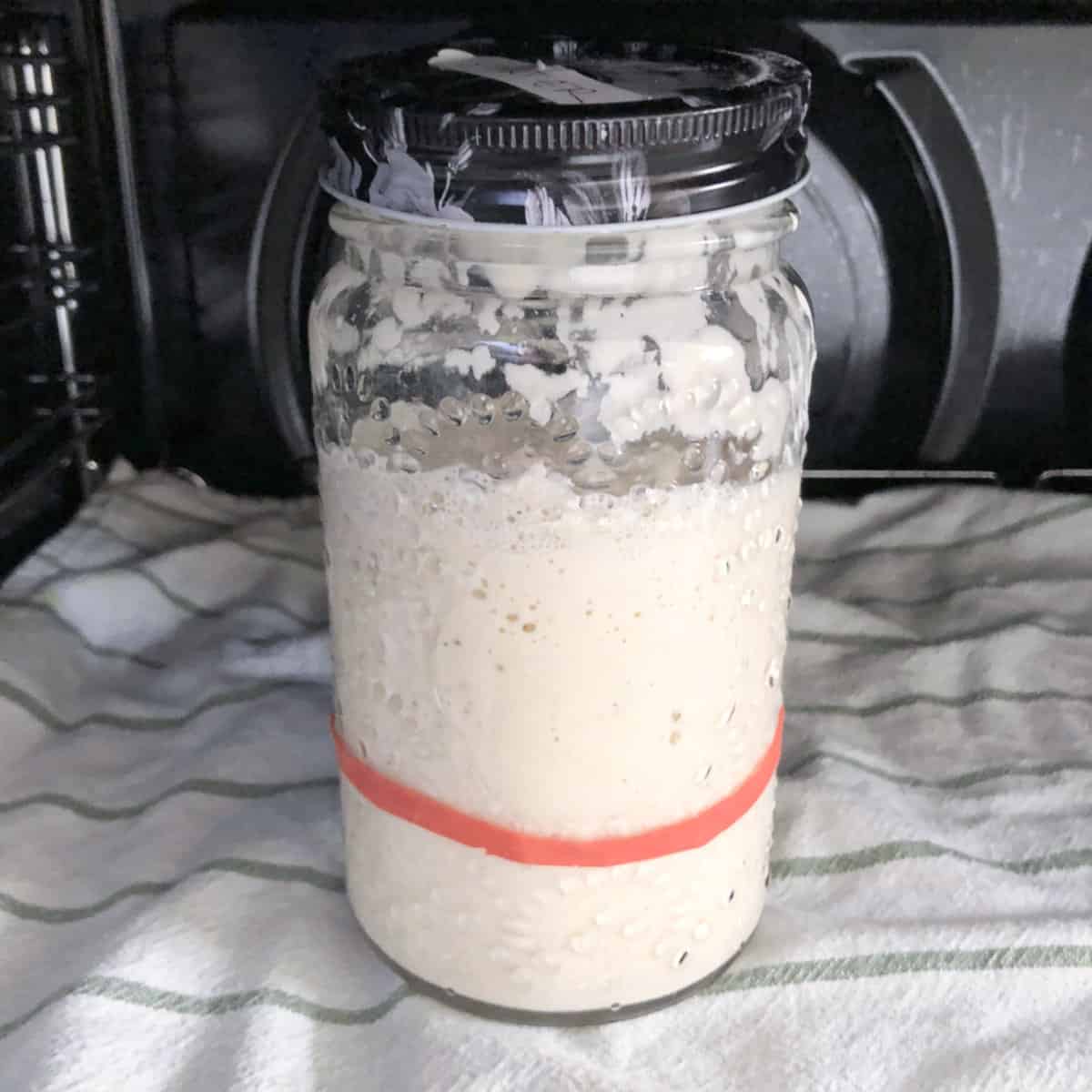
Remove the starter from the fridge and feed it 8-12 hours before starting the dough. A mature starter should double within this time. If not, feed it again and wait for doubling. Factors like ambient temperature affect activation time. If your starter activates at a much faster rate, you can activate it the same day you are making the dough. Or, you can use either less starter or cold water to slow down the activation.
For recipes needing an active starter, combine equal parts refrigerated starter, flour, and water the night before baking. For example, if the recipe calls for 60 grams of active starter, mix 20 grams each of starter, flour, and water.
Float Test
The float test is a simple and effective way to check the activity of the sourdough starter before using it. However, it is not always necessary to perform the float test. You can check other signs, such as bubbles and expansion.
To do the float test, take a teaspoon of the starter and drop it in a bowl of water. If it floats, it passes the float test, and if it does not, it needs more time to be fully active.
Sample baking schedule
A sample timeline I follow:
FRIDAY NIGHT: Take the starter from the fridge and feed it with flour and water. Leave it at a warm temperature overnight.
SATURDAY MORNING: Mix dough, stretch, and fold, bulk fermentation.
SATURDAY NIGHT: Cold fermentation in the fridge.
SUNDAY/MONDAY MORNING: Bake day
Common questions on feeding and maintaining a sourdough starter
Maintaining a sourdough starter is crucial for baking delicious and healthy sourdough bread. If a sourdough starter is not maintained properly, the natural yeasts and bacteria may die off, causing the starter to become inactive or even go bad. A well-maintained starter will be active and healthy and produce consistent and flavorful bread.
Storing the sourdough starter in the refrigerator will slow down the fermentation process, allowing it to stay healthy and active for a longer period without feeding. You can store your sourdough starter in the fridge for up to a few weeks without feeding it. However, it is important to note that the longer you store your sourdough starter without feeding it, the more time it will take to revive it when you want to start baking again.
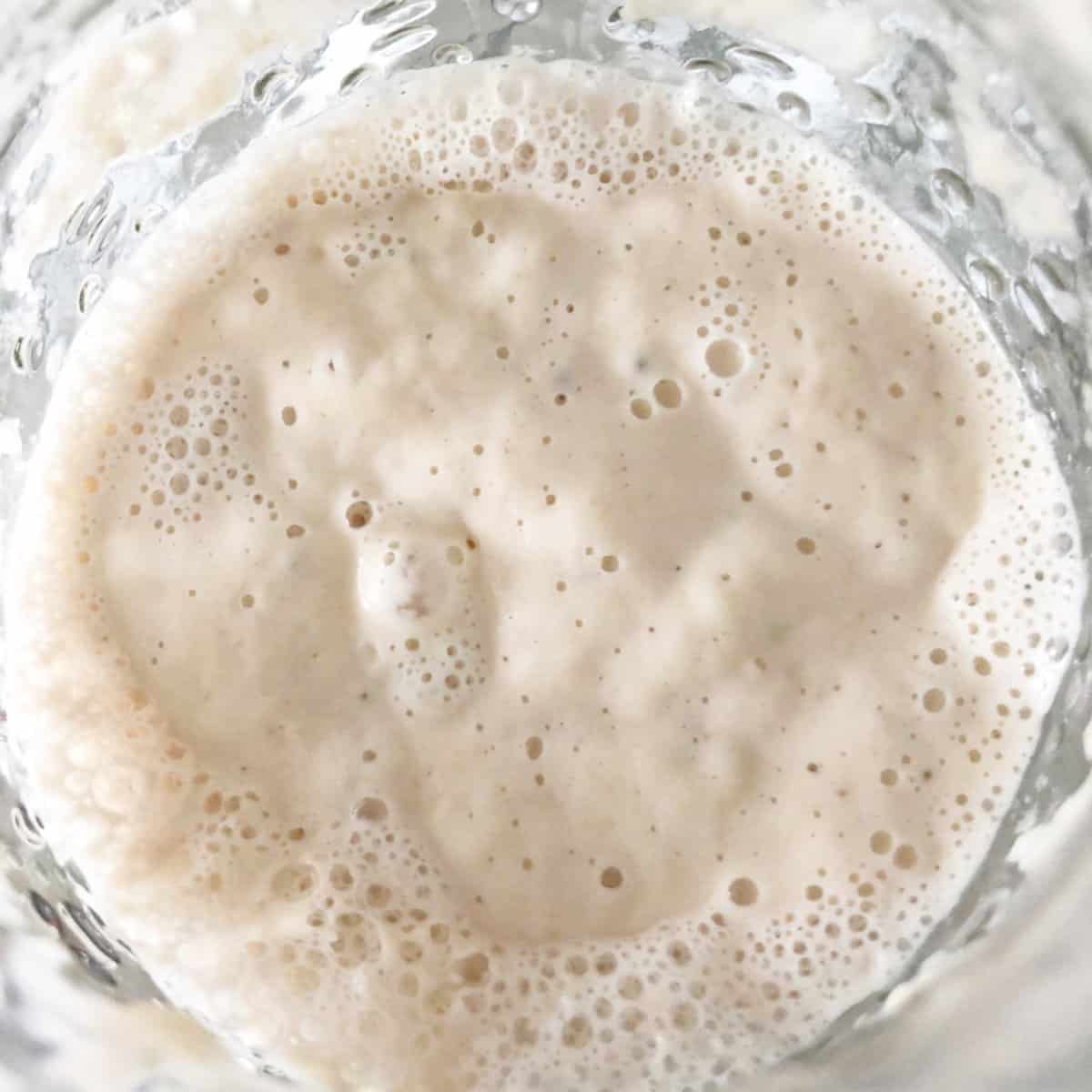
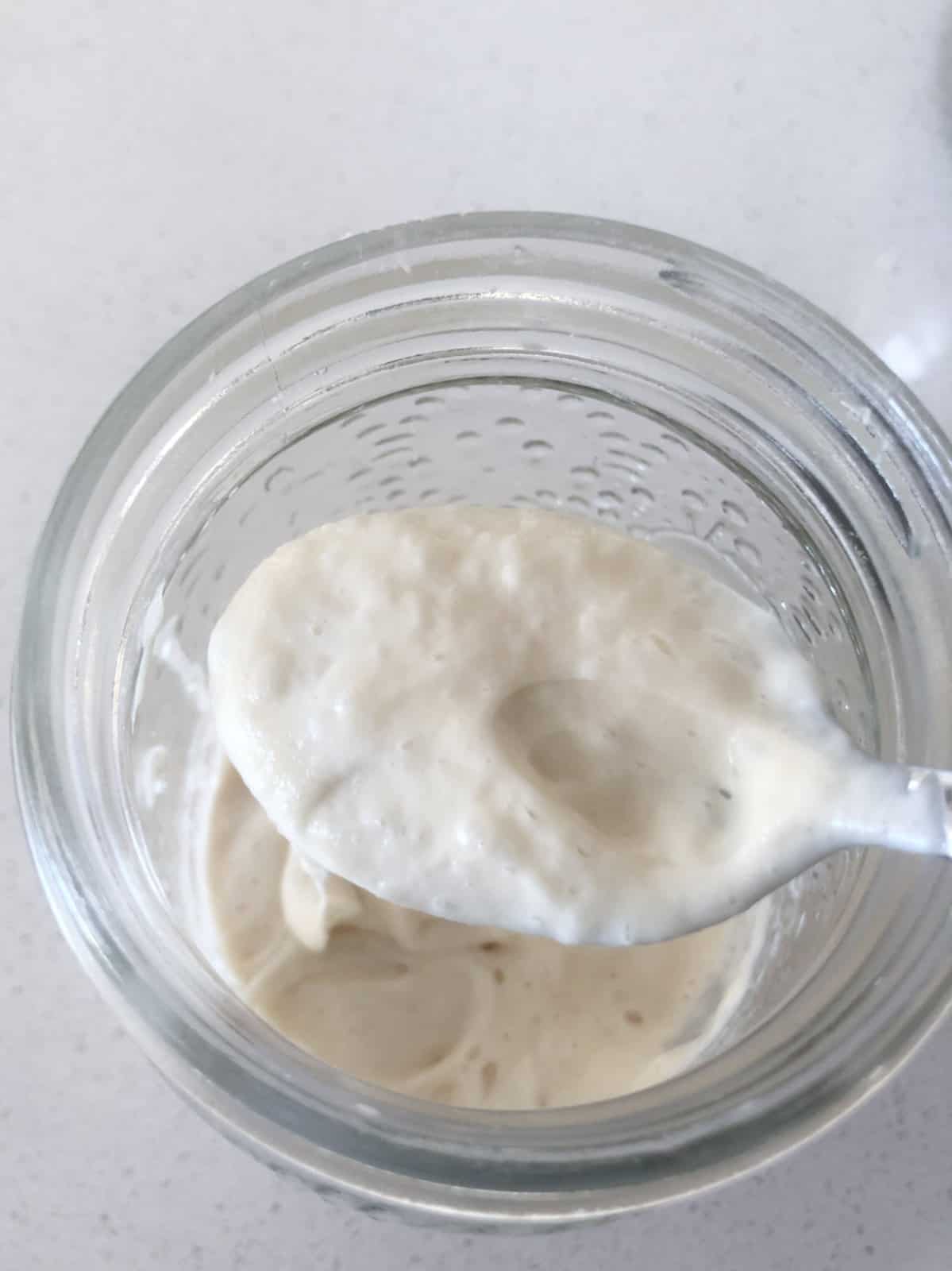
A healthy and active starter must be bubbly and have a pleasant smell. It should have a smooth and creamy texture and should expand in size within a few hours of feed.
A sourdough starter can go bad or become inactive for a variety of reasons. Signs that your starter has become inactive include no bubbles or growth after feeding, discoloration, or a foul odor with no signs of activity. If you observe any of these signs, it may be time to discard your starter and start fresh. However, before doing so, try reviving it by feeding it more regularly or adjusting the temperature or hydration level. If the starter still shows no signs of activity or has a foul odor, start fresh with a new batch. If you notice any mold or fuzz growing on the surface of the starter, it is definitely time to discard it immediately and start fresh.


Comments
No Comments