
 Add Preferred Source
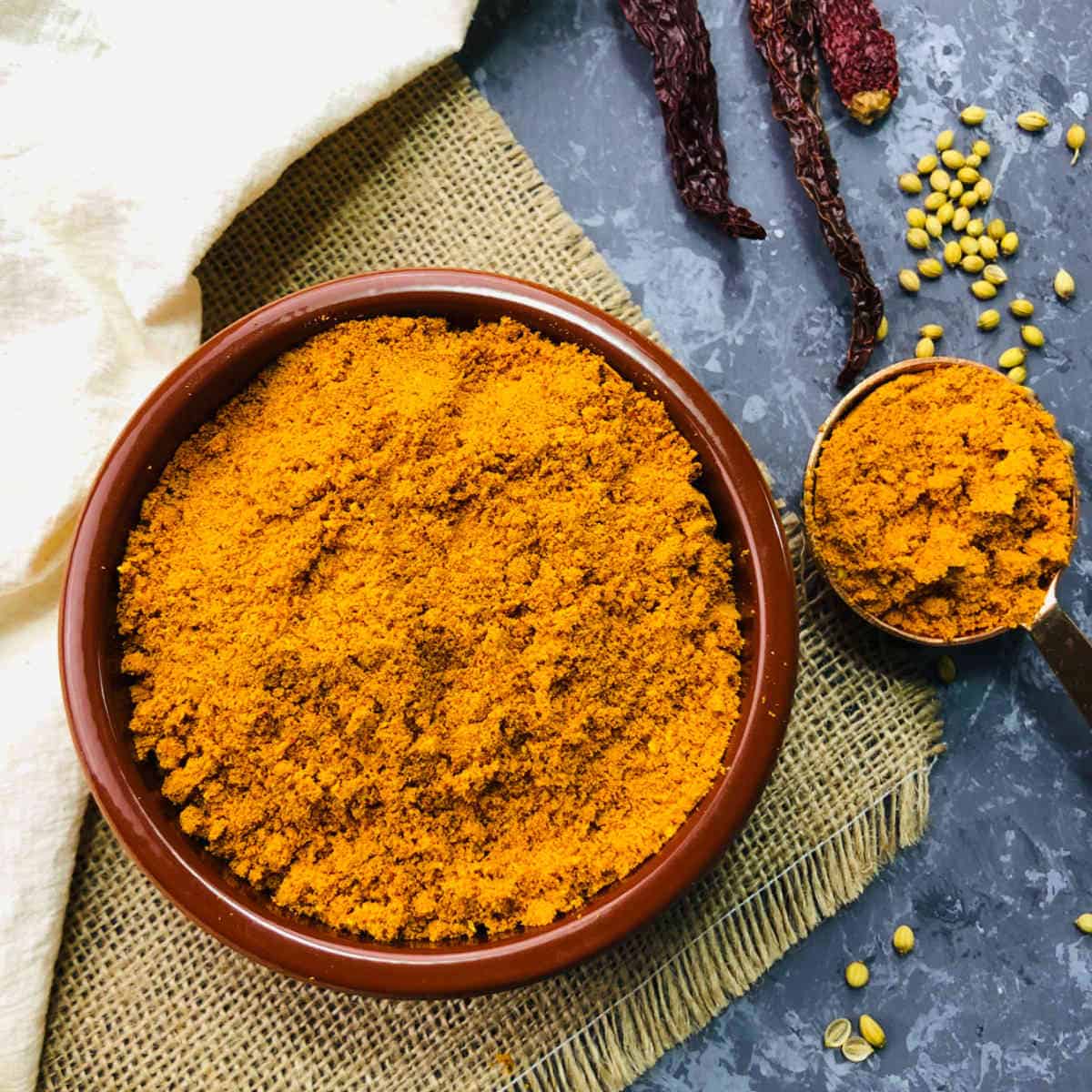
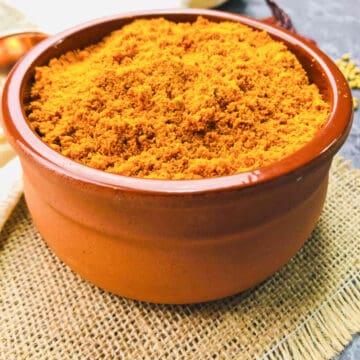
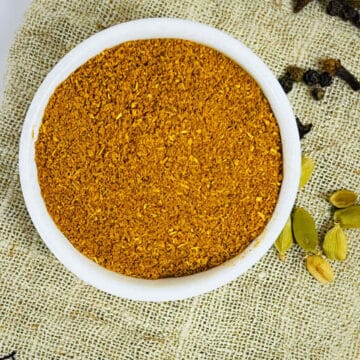
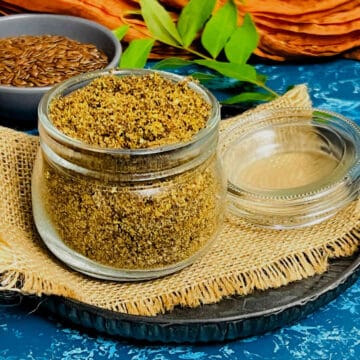
Discover the essence of South Indian cuisine with this homemade sambar powder. Sambar masala powder is a unique spice blend that adds a special touch to the popular South Indian lentil stew known as sambar. This easy-to-follow recipe allows you to create an authentic Brahmin's style sambar podi right in the comfort of your home.
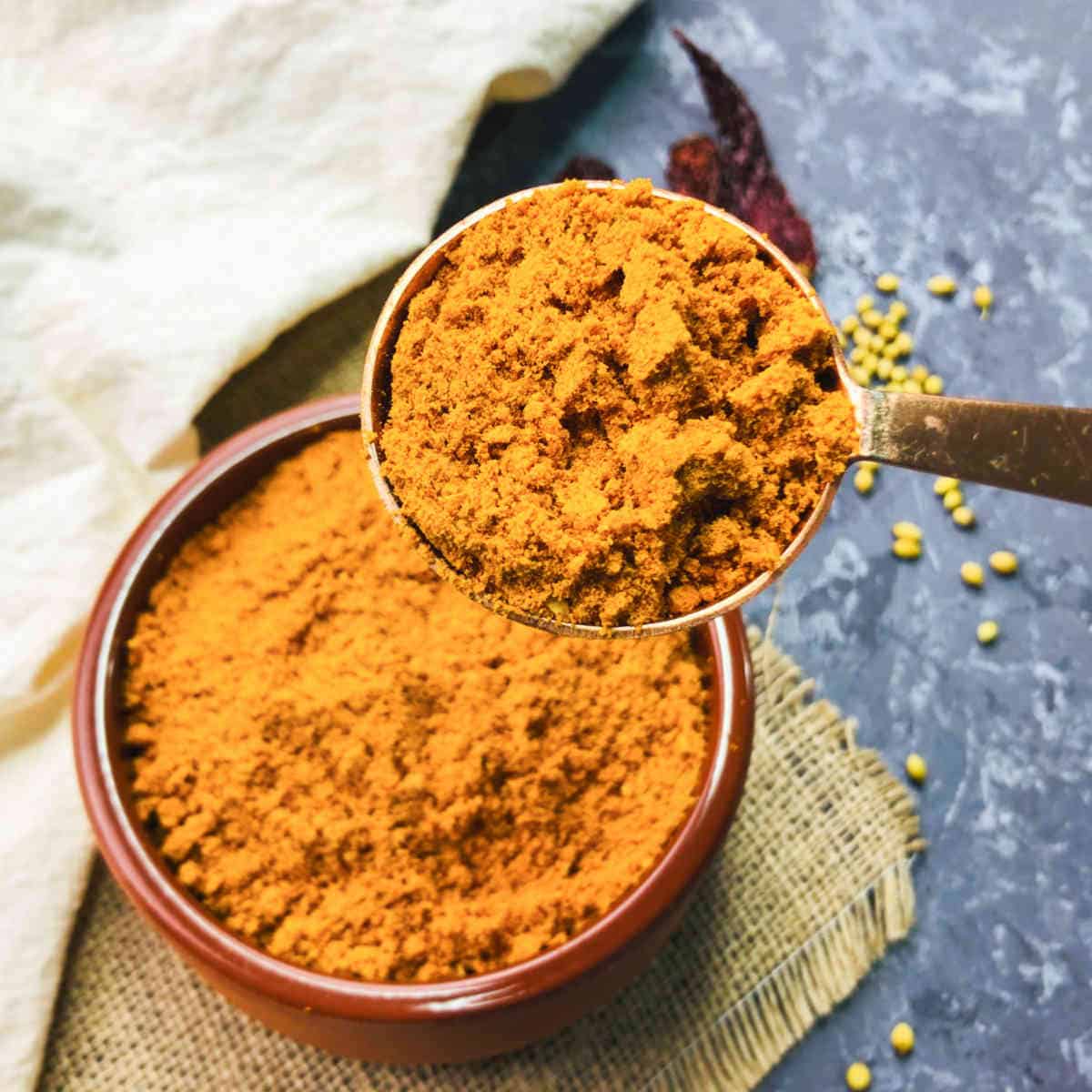
Why will you love this sambar powder recipe?
- A balanced blend of spices: This sambar powder recipe is carefully crafted with a combination of spices that imparts a rich and complex flavor to the dish.
- Convenience: While making sambar powder from scratch involves roasting and grinding the spices, once prepared, it can be stored for an extended period.
- Versatility: While sambar powder is traditionally used in sambar, it can also be employed in a wide range of other dishes. It adds depth and complexity to vegetable curries, lentil dishes, rice preparations, and even non-vegetarian dishes.
What is sambar?
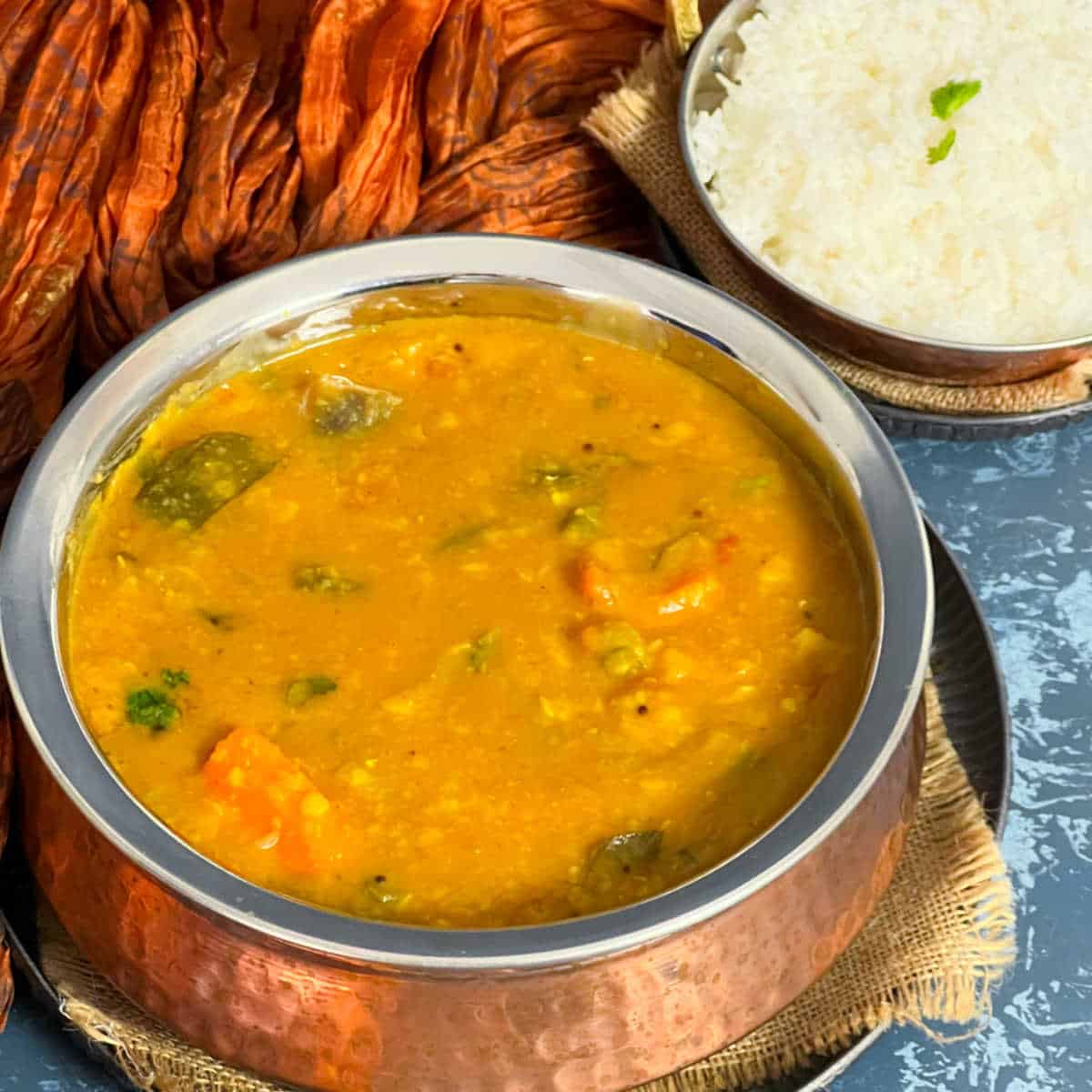
Sambar is a South-Indian style dal made with toor dal (pigeon pea), tamarind, and an aromatic spice blend known as sambar powder. Sambar (also called 'huli' in Kannada) is a staple in most South Indian kitchens and is an integral part of delicious South Indian foods. Some of the popular sambar versions are mixed vegetable sambar, spinach sambar, and horsegram sambar.
What is sambar powder?
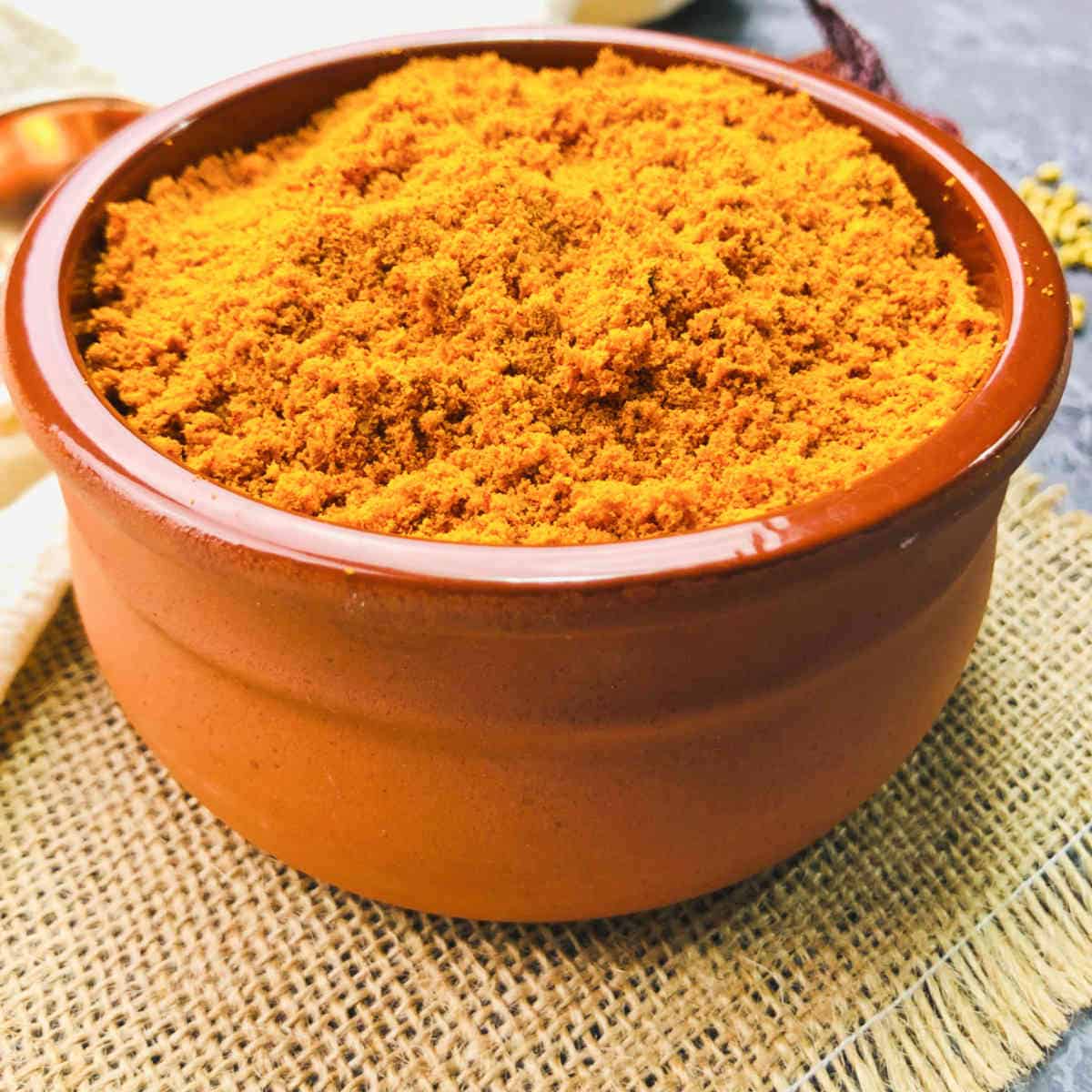
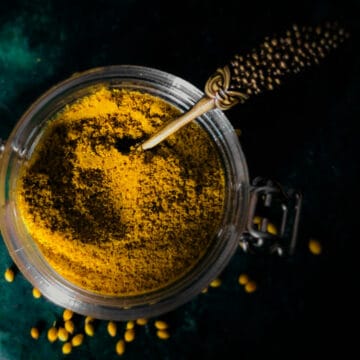
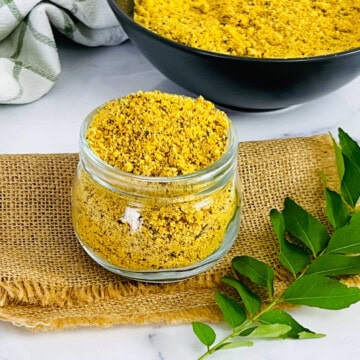
Sambar powder, the key to authentic South Indian sambar, is typically a homemade spice blend with variations across regions and households. Roasting and grinding spices at home is a common practice, resulting in unique regional recipes. This is a family-favorite Mysore-style sambar powder recipe, though countless variations exist.
While store-bought options are available, making your own is straightforward and yields a superior flavor, with slight differences in ingredient proportions across recipes. Also, check out this recipe to make Mysore rasam powder at home.
Ingredients
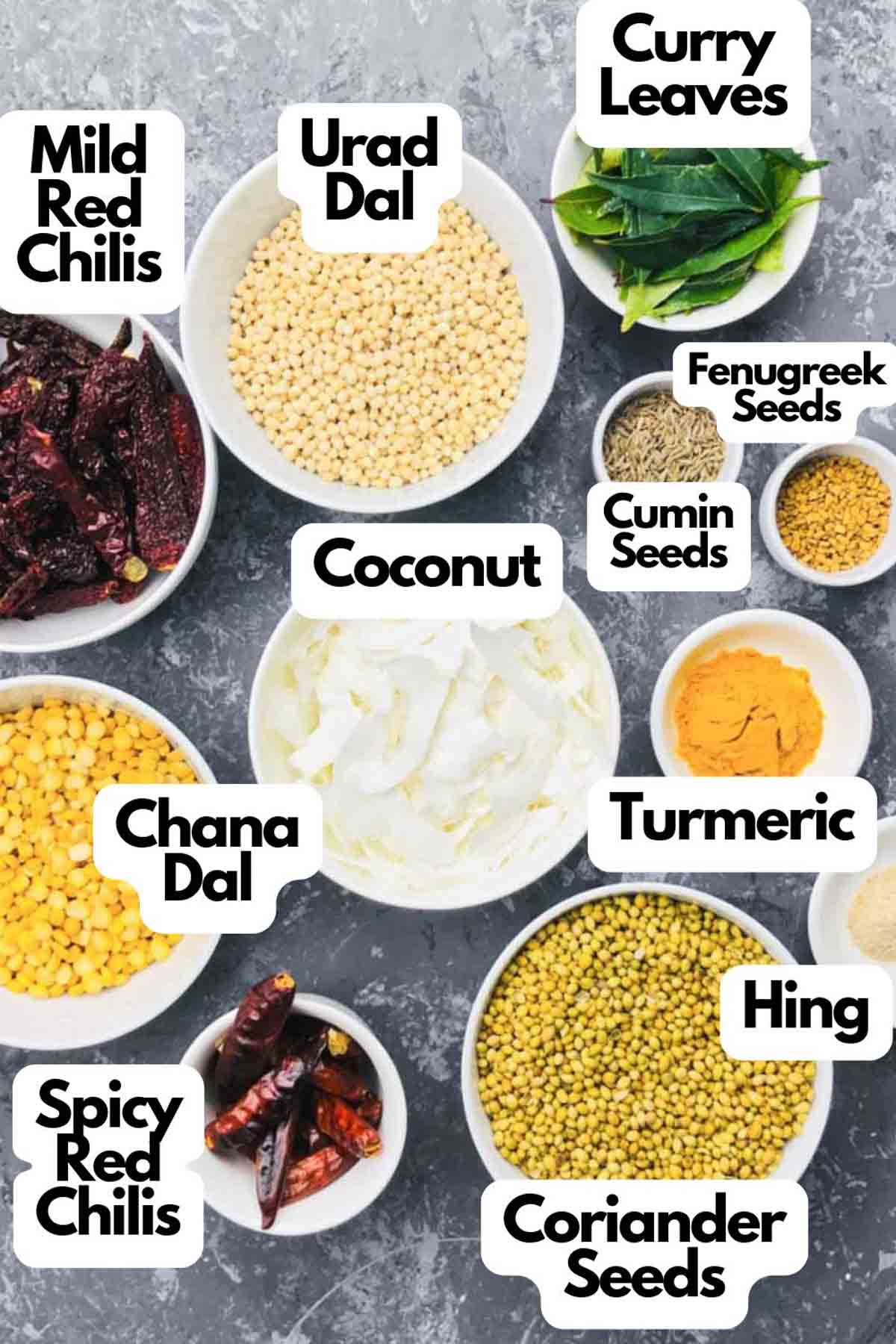
See the recipe card for full information on ingredients and quantities.
Step-by-step instructions
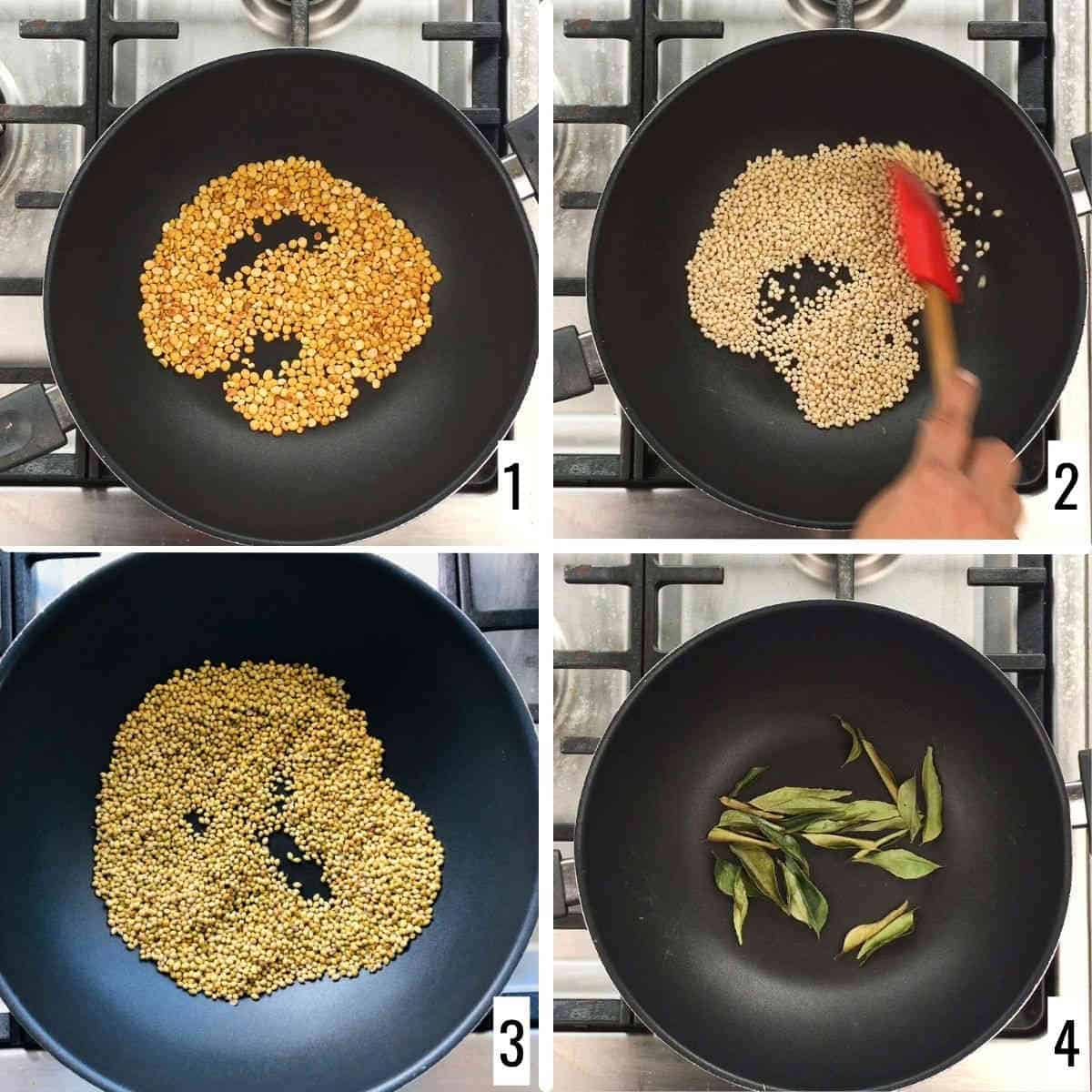
Step 1: Heat a pan and dry roast channa dal and urad dal until it is golden, taking care not to burn them. Transfer the roasted lentils to a plate or wide pan (images 1 and 2).
Step 2: Add coriander seeds to the same pan and dry roast them until they are aromatic. Next, take the curry leaves in the same pan and fry them until they are crispy and dry (images 3 and 4).
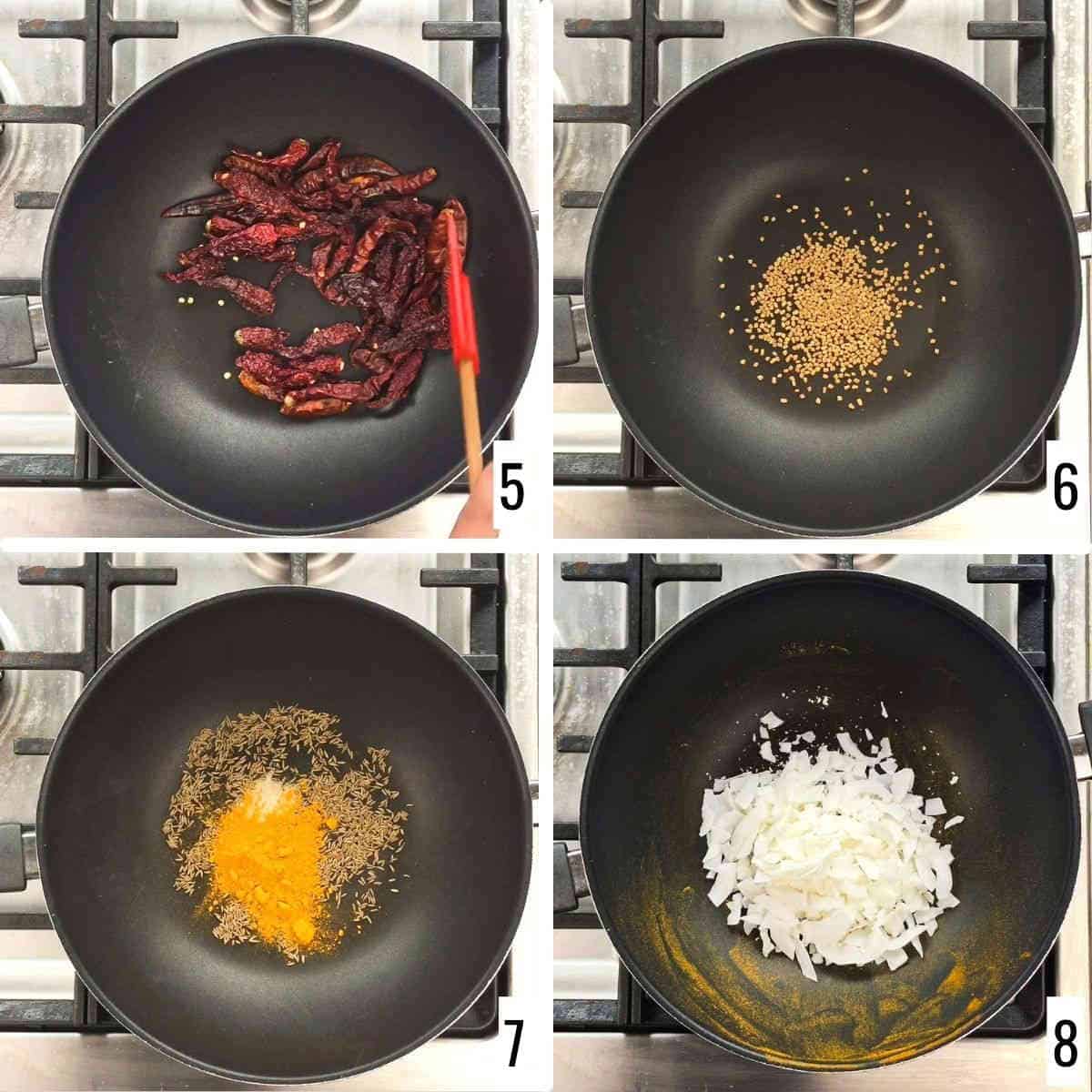
Step 3: Take both varieties of dry red chili peppers (mild and spicy) and roast them until they puff up and are crispy. Transfer them along with the rest of the ingredients (image 5). Fry the methi seeds for about a minute and set them aside (image 6).
Step 4: Dry roast cumin seeds until they are aromatic. Add hing and turmeric to it and fry for a few seconds (not more than 10 seconds). Set everything aside (image 7).
Step 5: Turn off the heat. Add the coconut and fry for a few seconds. Coconut can burn very easily so take care to dry-roast with the gas turned off. Transfer it along with the rest of the ingredients (image 8).
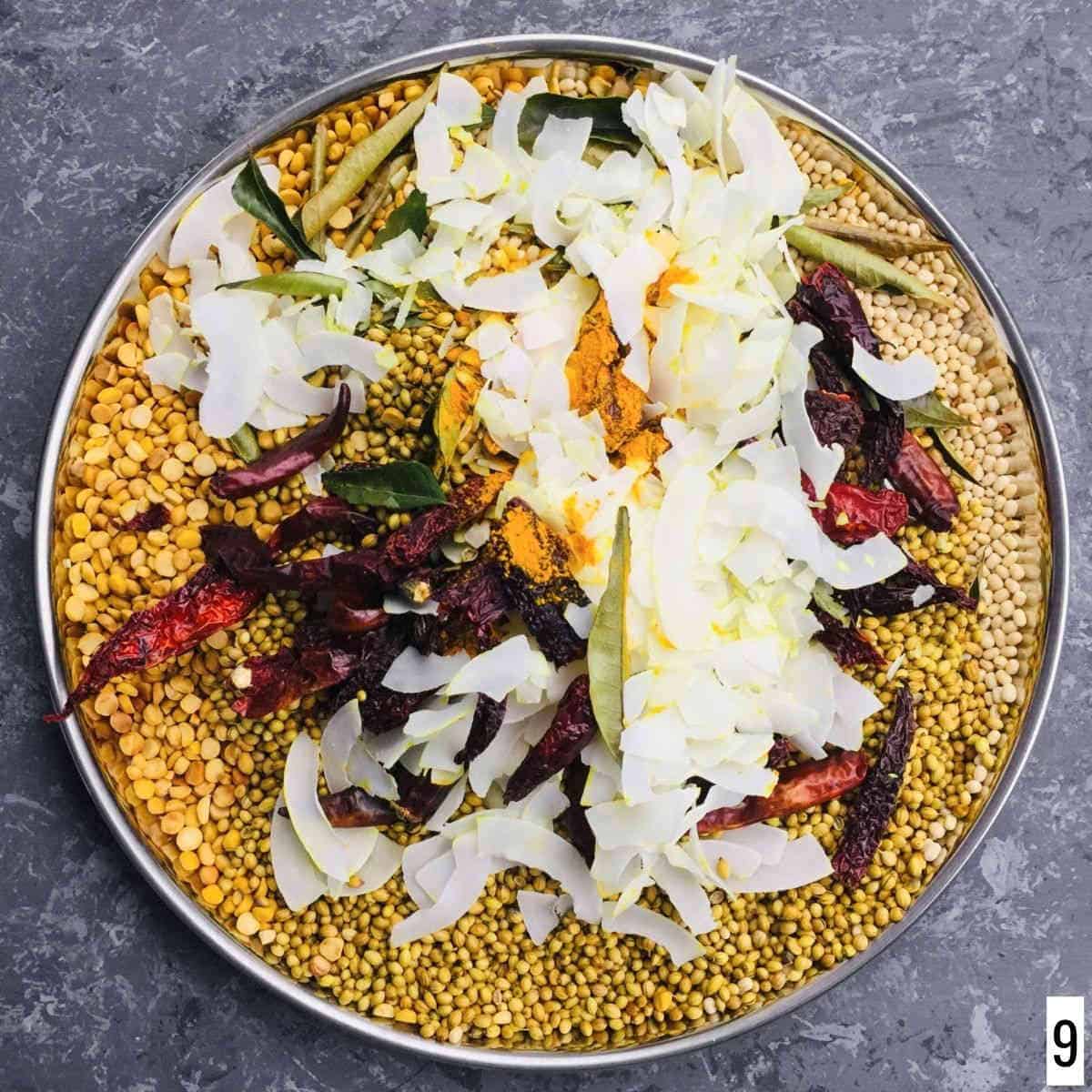
Step 6: Let all the roasted ingredients cool down completely (image 9).
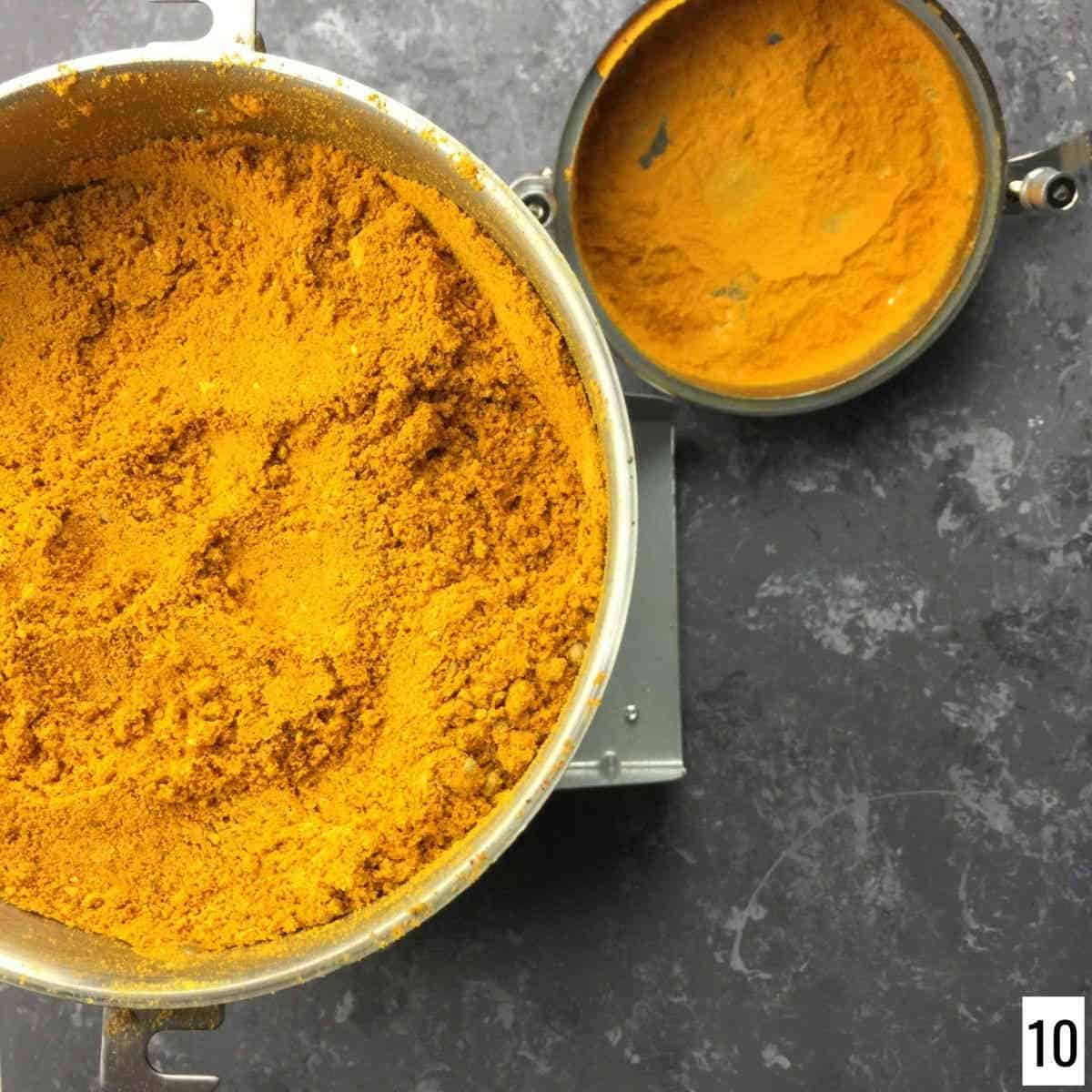
Step 7: Grind the roasted spices into a fine powder using a spice grinder or mixie (image 10).
Expert Tips
Do all the dry roasting on low flame. Heat the
It is important to dry-roast the chana dal and urad dal well, taking care it does not burn. Both the dal have to be roasted until they are lightly golden. This is the most time-consuming part of roasting. The rest of the ingredients will be done very quickly.
After adding hing and turmeric powder, mix only for a few seconds (not more than 10 seconds). If not, it will burn.
Make sure the roasted whole spices are cooled completely and are at room temperature before grinding.
Dry coconut tends to burn very quickly, so dry roast it with the flame turned off. It only needs to be heated up for a few seconds before grinding
Always use a clean and dry spoon when handling the spice powders. Any moisture content will reduce the shelf life of the spice powder.
This sambar masala recipe gives me 400 grams of sambhar powder. You may choose to half or double the recipe as per your need.
Recipe FAQs
It is a unique blend of spices that are roasted and ground into a fine powder. This powder is used to make South Indian-style lentil and vegetable stew called sambar. There are many regional variations to this recipe and
This spice mix stays fresh when stored in an air-tight container in a refrigerator. You can make a big batch of this sambar powder and store it in the fridge or freezer. They can be used straight from both the fridge and the freezer.
No. Both these spice blends use different types of spices. While sambar masala is used to make lentil stew, curry powder is seldom used in traditional Indian cooking.
While some spices are common between rasam powder and sambar powder, there are some differences in key ingredients. The most important difference is the texture. Rasam powder has to be ground into a very fine and smooth powder, whereas sambar powder can be fine to slightly coarse. In terms of ingredients, chana dal (Bengal gram) and urad dal (black gram) are used in making sambar powder, whereas rasam powder does not have any dal in it. Black peppercorns is a key ingredient in rasam powder whereas pepper corns is not used in sambar powder.
More spice blend recipes

If you tried this Sambar Powder Recipe or any other recipe on my website, please leave a ? star rating and let me know how it went in the ? comments below.
Recipe card
Homemade Sambar Powder
Ingredients
- ½ cup chana dal (Bengal gram)
- ½ cup urad dal (black gram)
- 1 cup coriander seeds dhaniya
- 1 tablespoon fenugreek seeds methi/menthya
- 1 tablespoon cumin seeds jeera
- 1 cup Byadagi red chili mildly spiced dried red chili
- ½ cup Guntur chili hot dried red chili
- ½ cup curry leaves
- 1 cup coconut dried
- 1 tablespoon turmeric powder
- 1 teaspoon asafoetida hing
Instructions
- Heat a pan and dry roast chana dal until it is golden, taking care not to burn it. Set it aside.
- Next, add urad dal and dry roast it until it is golden. Set it aside along with chana dal.
- Add coriander seeds to the same pan and dry roast them until they are aromatic. Set it aside.
- Now, dry roast curry leaves until they are dried and crispy. Set them aside.
- Add both varieties of dried chili (Byadagi and Guntur) and roast them until they are crispy and puff up. Set them aside.
- Dry roast fenugreek seeds until they are golden brown. Add it to the rest of the ingredients.
- Dry roast cumin seeds until they are aromatic. Add hing and turmeric to it and fry for a few seconds (not more than 10 seconds). Set everything aside.
- Turn off the heat. Add the coconut and fry for a few seconds. Coconut can burn very easily so take care to dry-roast with the gas turned off. Transfer it along with the rest of the ingredients.
- Let all the ingredients cool down completely.
- Grind into a fine powder using a spice grinder or mixie.
- Store in a dry and clean air-tight container.
Comments
No Comments