
 Add Preferred Source
Panchamrut, also known as Panchamrit or Charanamrit, is a sacred concoction with deep-rooted significance in Hindu rituals and ceremonies. Composed of five essential ingredients - milk, yogurt, honey, ghee (clarified butter), and ripe bananas - it represents the unity of the five elements and is offered to deities during puja or worship.
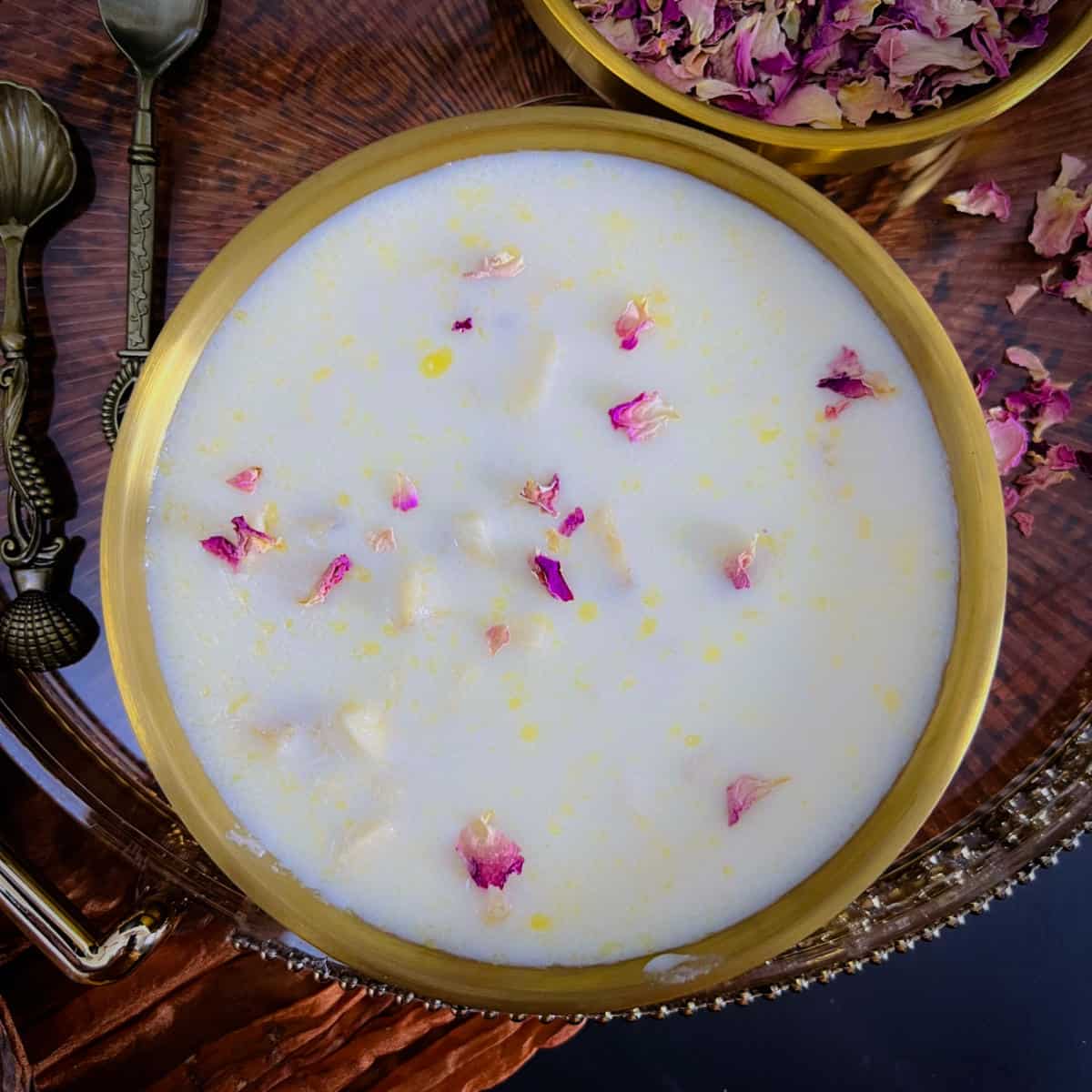
Panchamrut (Sanskrit: पञ्चामृत) is a mixture of five foods used in Hindu worship and puja and abhiṣeka. It is often used as an offering during pooja after which it is distributed as prasad. Also spelled panchamrita or charanamrit, it is a sacred and traditional concoction used in religious rituals and ceremonies. Panchamrut always brings back memories of my mom preparing it during festivals.
The term "Panchamrut" originates from the Sanskrit language, where "Panch" means five, and "Amrut" means nectar. As the name suggests, Panchamrit is made by combining five key ingredients, each of which holds special significance in Hindu culture. The exact composition might vary slightly depending on regional and cultural practices, but the core components remain the same.
Significance
Panchamrut is believed to have spiritual significance and is considered auspicious and beneficial for both physical and spiritual well-being. The consumption of Panchamrut is considered to bestow blessings, good health, and prosperity. Panchamrit holds a special place in Hindu culture, emphasizing the importance of devotion, purity, and spirituality. The act of preparing and partaking in charanamrit is seen as a way to strengthen one's spiritual connection and seek blessings for a prosperous and harmonious life.
- Offering to Deities: Panchamrut is prepared and offered as a sacred offering to Hindu deities during religious ceremonies and puja (worship) and is considered a symbol of devotion.
- Auspiciousness: The combination of five key ingredients in Panchamrit is believed to represent the five elements of nature - earth (represented by the solid components like bananas), water (milk), fire (ghee), air (curd), and ether (honey). Offering Panchamrut is believed to invoke the blessings of these elements and bring auspiciousness to the occasion.
- Spiritual nourishment: Panchamrut is considered to be spiritually enriching and purifying. It is believed that by consuming this sacred mixture, one can attain spiritual growth and inner strength.
- Prasad: After the Panchamrut is offered to the deities, it is distributed as Prasad to the devotees present. Partaking in this Prasad is believed to bring blessings, good fortune, and positivity into the lives of those who consume it.
- Unity and harmony: Panchamrit's preparation involves the harmonious blending of various ingredients, each representing different qualities and attributes. This symbolizes the unity and interconnectedness of all elements and beings in the universe, promoting harmony and balance.
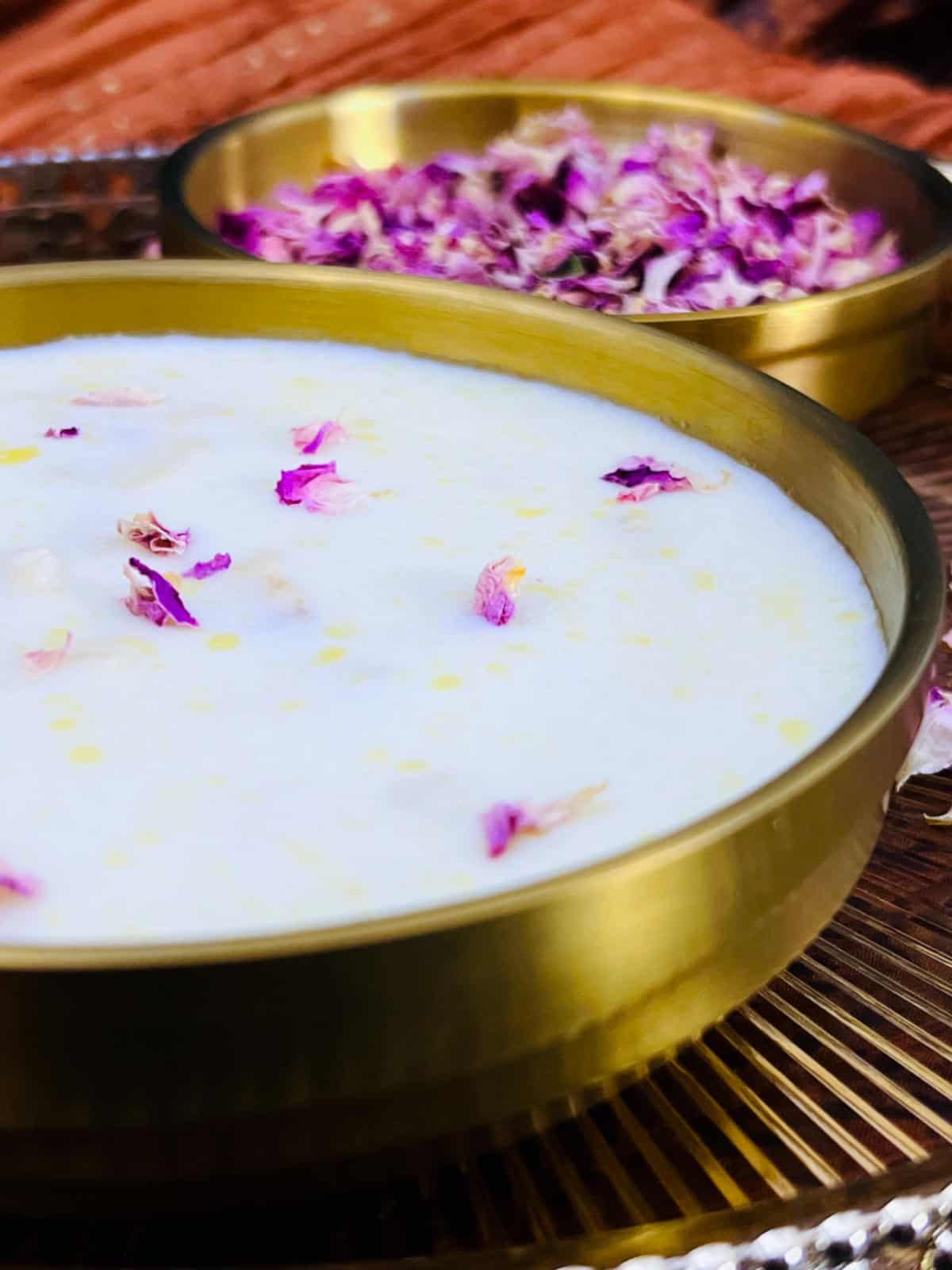
What is panchamrit made of?
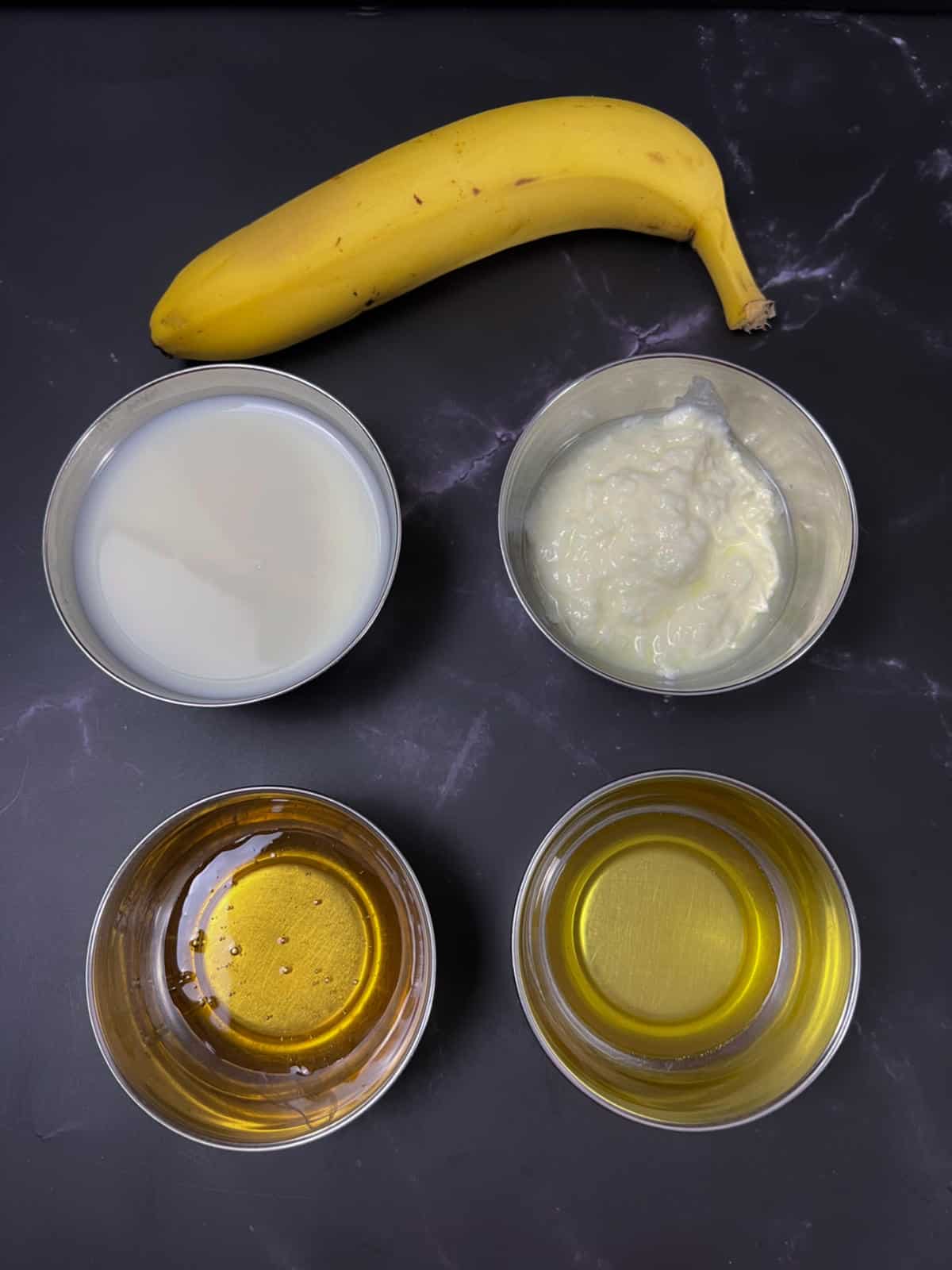
The five ingredients of Panchamrut include:
Cow milk: It symbolizes purity and is considered the essence of nurturing and sustenance.
Yogurt (Curd): Represents prosperity and fulfillment.
Honey: This signifies sweetness and the benefits of medicinal properties.
Ghee (Clarified Butter): Represents strength and victory over negative forces.
Banana: The banana is said to have a calming and soothing quality. It is associated with the emotions of love, compassion, and peace.
How to make panchamrut?
Step 1: In a small mixing bowl, combine milk, yogurt, honey, and ghee. Whisk it well to make sure they are fully incorporated.
Step 2: Add the chopped banana and mix gently.
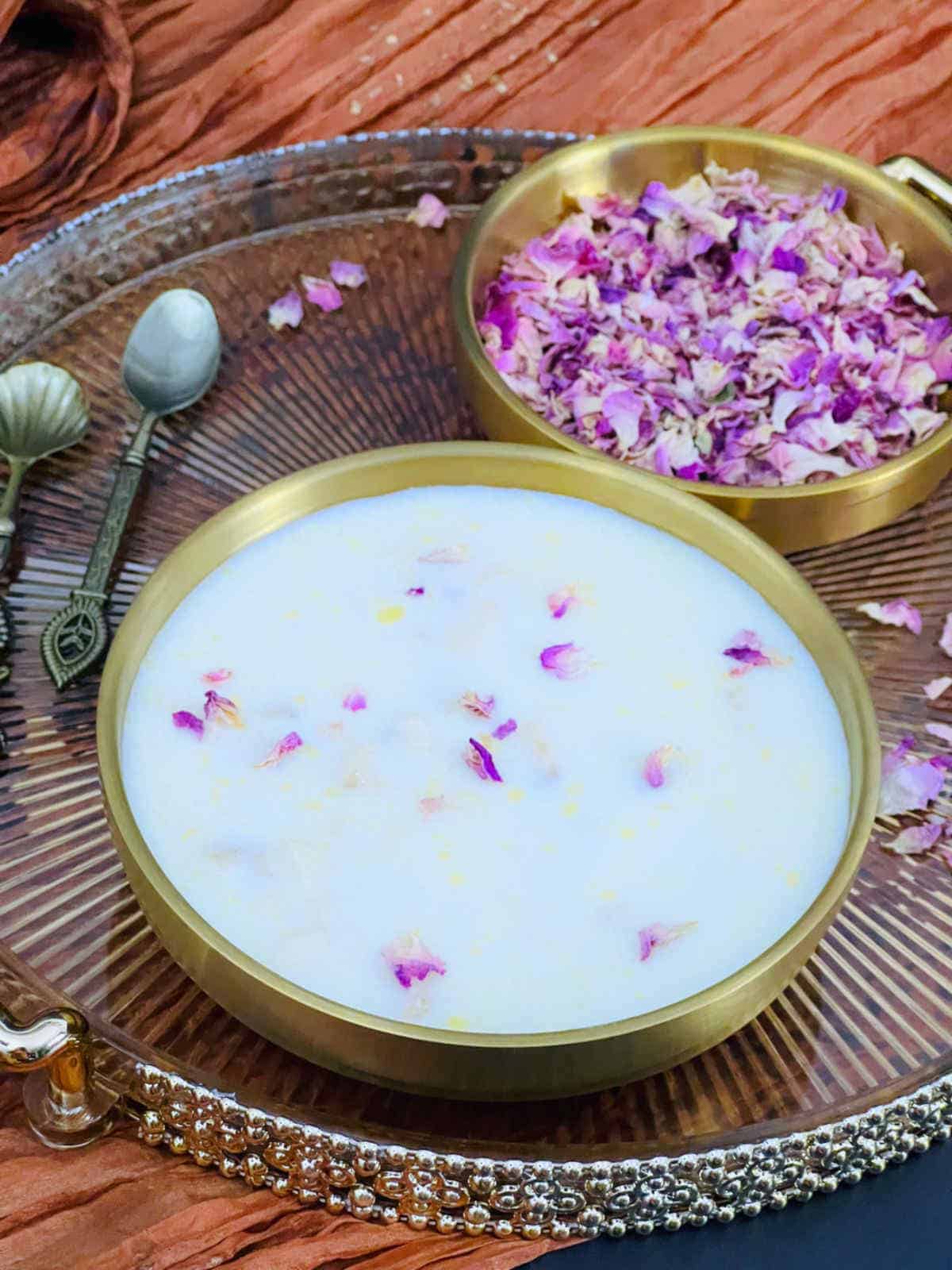
More festival recipes
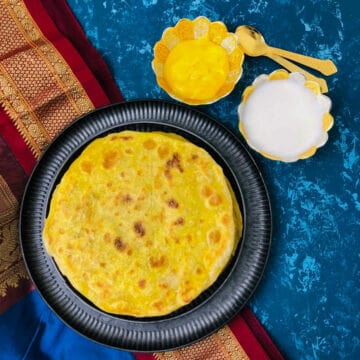
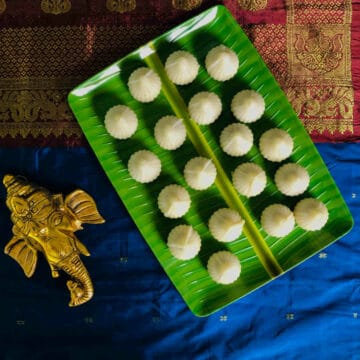
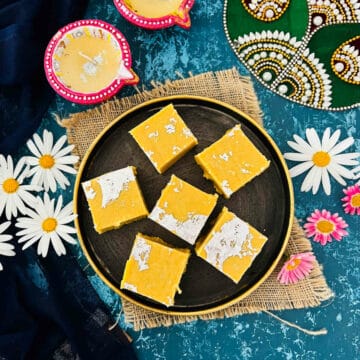
If you tried this Panchamrit Recipe or any other recipe on my website, please leave a ? star rating and let me know how it went in the ? comments below.
Recipe card
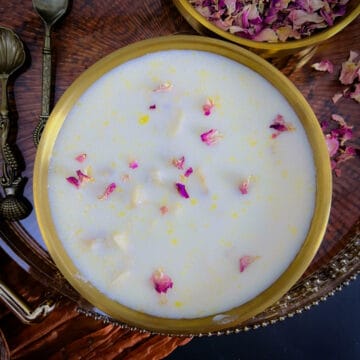
Panchamrut / Panchamrit
Ingredients
- ½ cup milk
- ½ banana (chopped)
- 2 tablespoon yogurt
- 1 teaspoon honey
- 1 teaspoon ghee (use store-bought or homemade ghee)
Instructions
- In a small bowl, combine milk, yogurt, honey, and ghee. Whisk it well to make sure they are fully incorporated.
- Add the chopped banana and mix gently.
Comments
No Comments